FranceGaz Congress : NOVÉA champions "the other path to decarbonization"
On September 22, 2026, our president Jean-Paul Calès shared NOVÉA's feedback at the FranceGaz congress. On the agenda: pyrogasification, a long-standing technology that is now emerging as a complementary way to produce sustainable gas from non-recyclable waste.
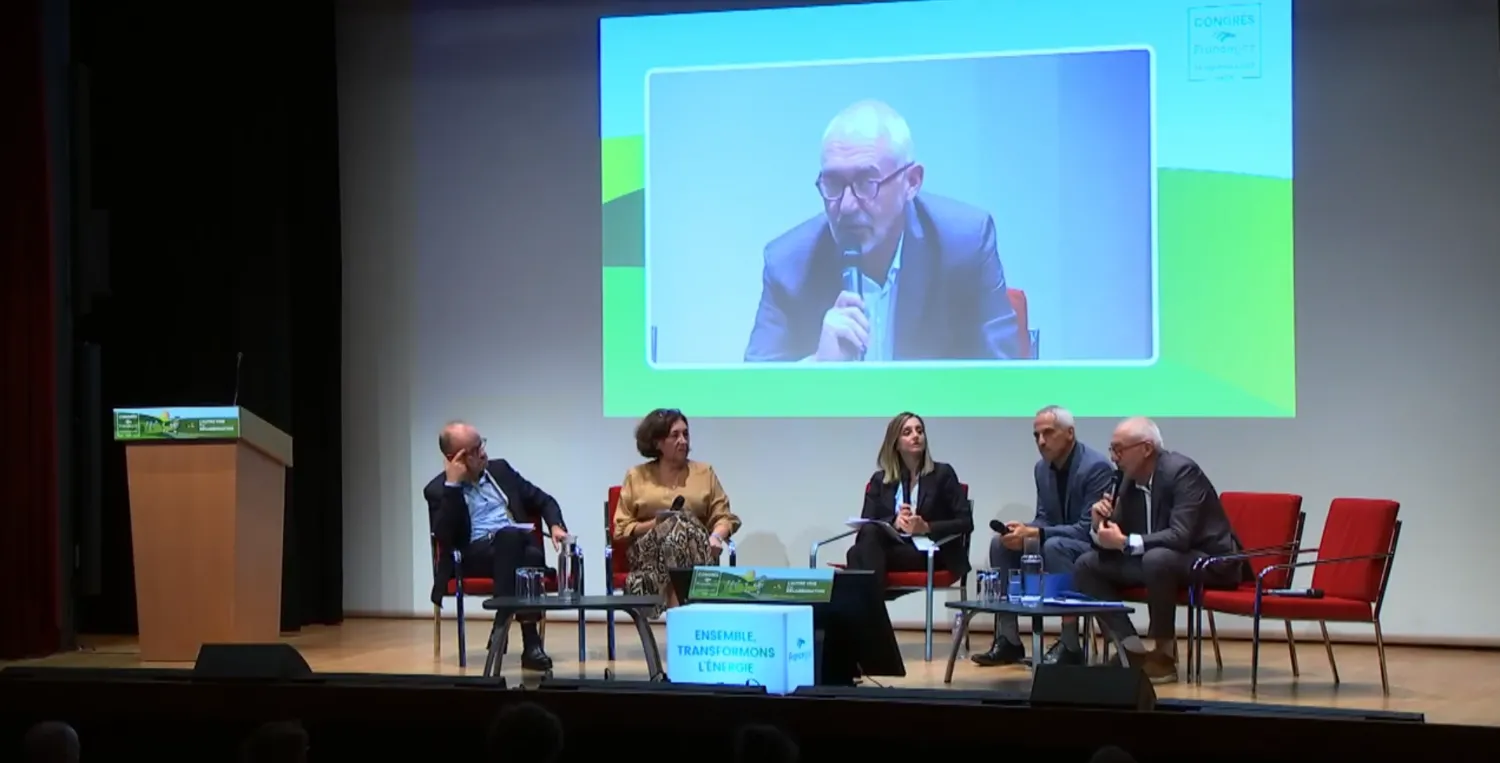
A round table on the French potential for decarbonization by 2050
Jean-Paul Calès participated in the round table "The French potential for decarbonization by 2050," alongside:
- Madeleine Lafon, General Delegate of France Gaz;
- Laurence Poirier-Dietz, CEO of GRDF;
- Jean-Luc Fugit, Member of Parliament for the 11th constituency of Rhône;
- Olivier Dauger, Co-president of France Gaz Renouvelables.
Seeing public decision-makers, elected officials, and renewable gas stakeholders gathered in the same room is a reassuring signal: the sector is moving forward, driven by a broad and mobilized ecosystem.
A new generation of green gases is emerging
Three technological paths are emerging to produce green gas: pyrogasification, anaerobic digestion, and hydrothermal gasification. They are complementary and all committed to the same trajectory of regional decarbonization and energy transition.
Thank you to FranceGaz for giving a voice to an industrial player and field actor in this transformation.
Pyrogasification: a long-standing technology, a new opportunity
From town gas to gasifiers: a century and a half of history
Jean-Paul Calès pointed out: pyrogasification is not a new technology. It dates back to the gas plants built around Paris in the 19th century to light and then heat the city. It then saw the use of gasifiers, revived during oil shortages, and again during the 1973 crisis, which allowed for the launch of industrial pyrogasification.
A process revived by France 2030
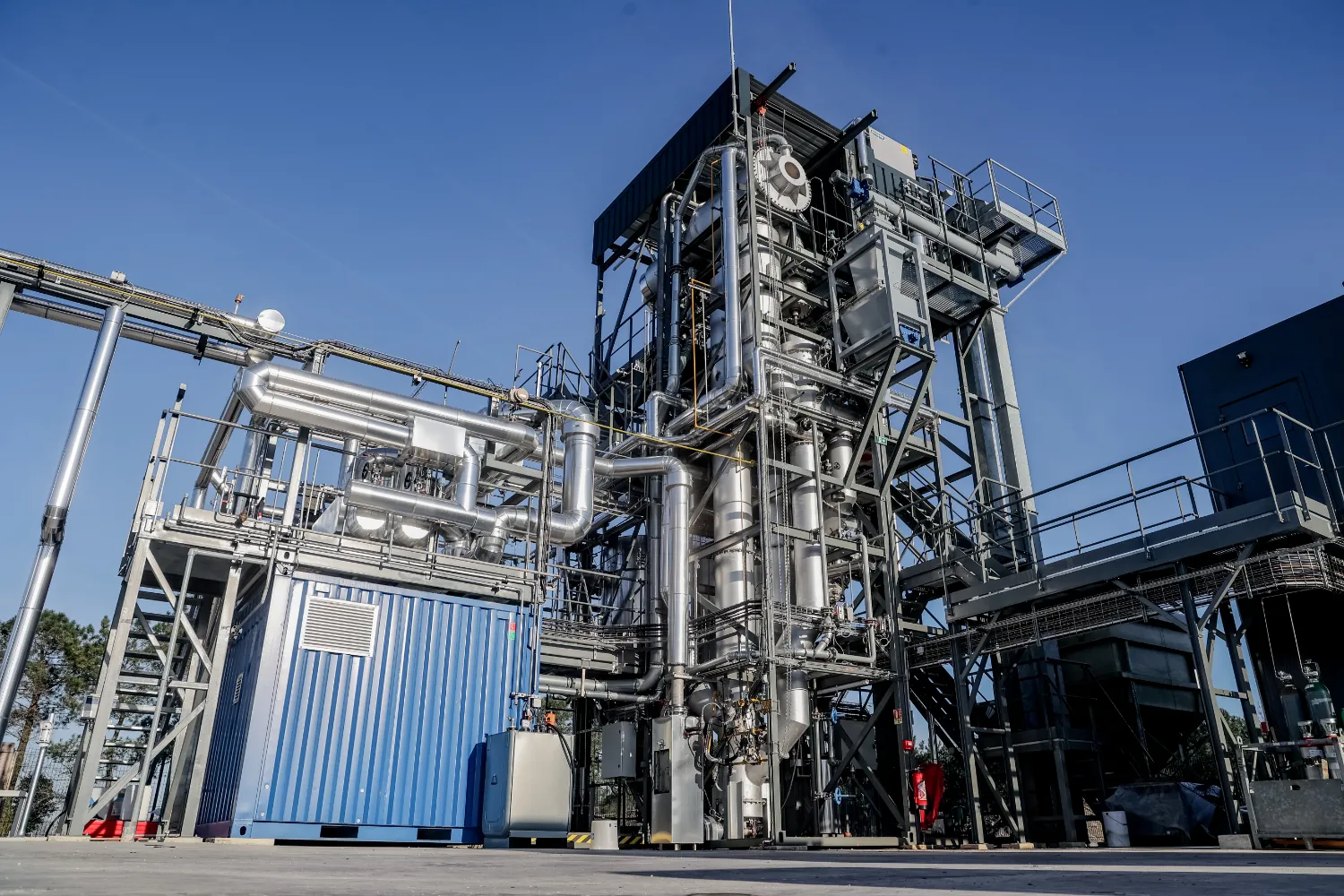
The France 2030 plan has allowed this process to be brought back to the forefront. Selected by ADEME, NOVÉA built an industrial unit using its own funds to produce syngas with its patented process.
How does NOVÉA's staged pyrogasification work?
Two reactors for a tar-free syngas
The process is based on two steps:
- Pyrolysis: non-fermentable waste is heated. It produces a pyrolysis gas, which powers the process, and a carbon-rich residue.
- Gasification: this residue is gasified to obtain a tar-free syngas.
Inputs without conflict of use with anaerobic digestion
Pyrogasification valorizes non-fermentable waste: solid recovered fuel (SRF), waste wood, vine shoots... There is therefore no conflict of use with the biomass used in anaerobic digestion. The two sectors complement each other.
From syngas to injectable biomethane
Syngas can be transformed into different molecules. Thanks to the call for projects won with GRDF, NOVÉA is working on injecting biomethane into the grid. To do this, it has partnered with Energo (Hauts-de-France), which transforms syngas into CH₄ via vacuum plasma with a catalyst.
Waste valorization: a circular economy challenge
Jean-Paul Calès emphasized: we cannot continue to bury waste indefinitely, nor to export it. The valorization of waste into energy responds to this paradigm shift.
A regional and industrial model
The targeted units process approximately 50,000 tons of waste per year, transported by trucks within the region: it is a local circular economy. The process also uses simple equipment (scrap metal, refractories, regulation), without rare earths or power electronics: an asset for the reindustrialization of France.
Scaling up: stability and education
To deploy these industrial units, which require significant CAPEX, Jean-Paul Calès called for:
- stability and visibility: investors are cautious in the face of an unstable framework, hence the importance of BPCs (biomethane production contracts);
- education: explaining with figures, starting from the basics for both public authorities and the general public;
- increased listening to engineers by political decision-makers.
An industrial installation already in real-world conditions
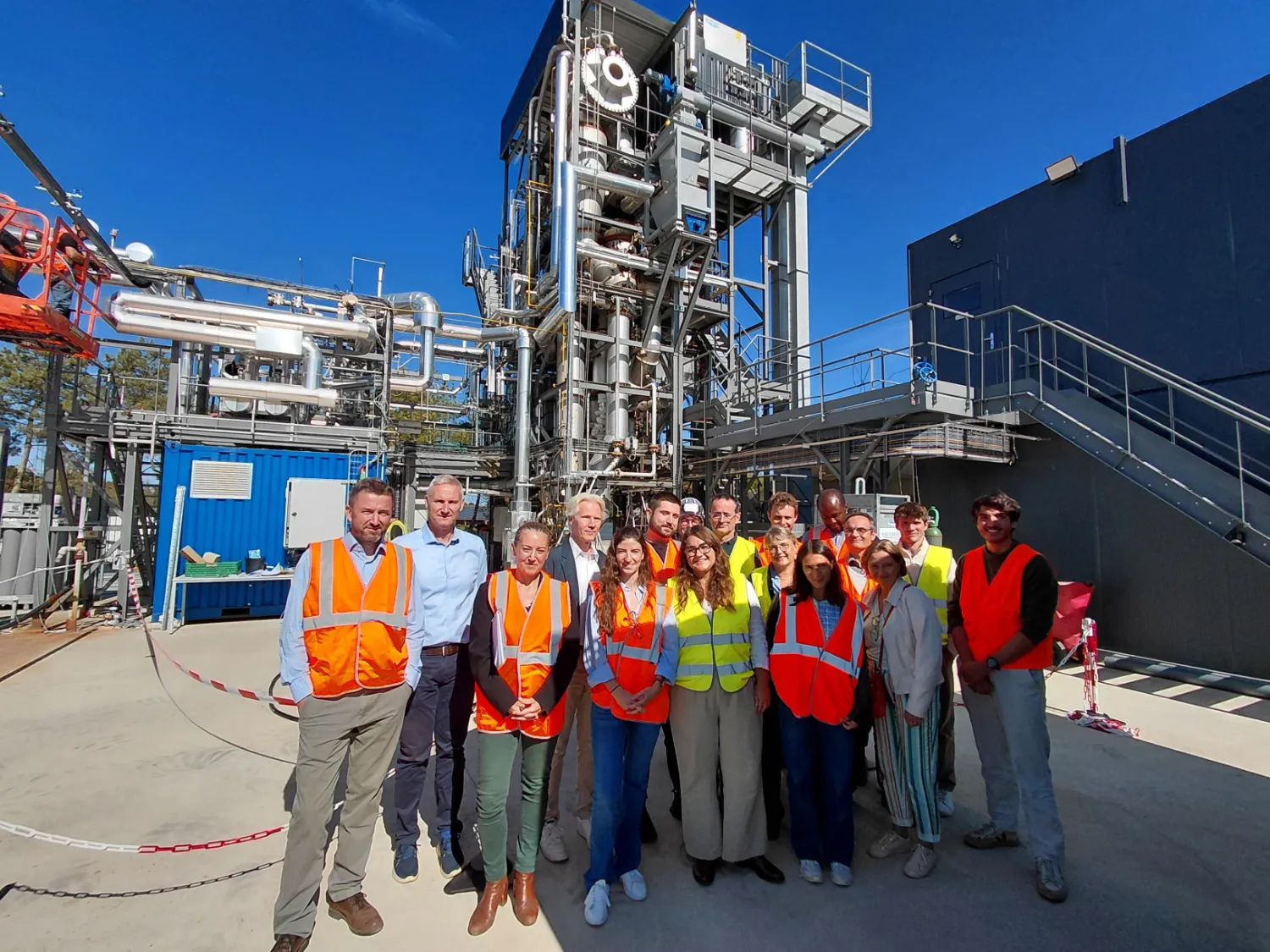
Our pilot site in Le Barp, Gironde, has been operating under real operating conditions since 2025. It is one of the most advanced installations at this scale.
Watch Jean-Paul Calès' intervention
The excerpt of Jean-Paul Calès' intervention or the full replay of the round table
Thank you to all participants for the quality of these discussions.