CPB Decree: Pyrogasification Enters the Renewable Gas Support Scheme
Decree No. 2026-933 of September 30, 2026, published in the Official Journal on October 9, opens the biogas production certificate (CPB) scheme to new biomethane production sectors, including pyrogasification. It also extends the obligation trajectory until 2044. For NOVÉA, which develops a staged pyrogasification technology, this provides a regulatory framework that now recognizes our sector.
Biogas Production Certificates: What Are We Talking About?
CPBs are a support mechanism for renewable gas production. The principle consists of three points:
- gas suppliers are obliged to return an increasing number of certificates to the State, proportional to their sales
- renewable gas producers obtain certificates for each MWh of biomethane injected into the grid
- they monetize them with suppliers, in addition to selling the gas itself.
This scheme aims to accelerate the production of sustainable gas and reduce the share of fossil gas in French consumption. Until now, it only concerned methanization.
What the Decree of September 30, 2026 Changes
Eligibility Extended to Gasification and Pyrolysis
The decree modifies the definition of installations eligible for the scheme. Alongside methanization, it now includes gasification, including supercritical aqueous phase, and pyrolysis, from non-hazardous waste, biomass, or products of plant or animal origin.
Pyrogasification, which combines pyrolysis and gasification, falls within this scope. The text specifies that these processes may include a methanation step, provided it occurs without external hydrogen input.
An Obligation Trajectory Extended Until 2044
The text extends the first obligation period until December 31, 2029 (compared to 2028 previously). Five three-year periods follow, until December 31, 2044.
The decree also sets the obligation level year by year. It increases from 0.0570 CPB per MWh HHV in 2029 to 0.2386 in 2044, a more than fourfold increase. The coefficients for 2027 and 2028 are adjusted: from 0.0182 to 0.0162 for 2027, and from 0.0415 to 0.0355 for 2028.
This fifteen-year visibility provides project developers, financiers, and gas suppliers with a stable framework for planning their investments.
An Adoption Resulting from a Consultation Process
The decree was adopted after public consultation (from June 25 to July 17, 2026), the opinion of the Superior Energy Council (July 23), and the opinion of the Energy Regulatory Commission (September 17). It comes into force the day after its publication.
Why This Decree Matters for NOVÉA and the Sector
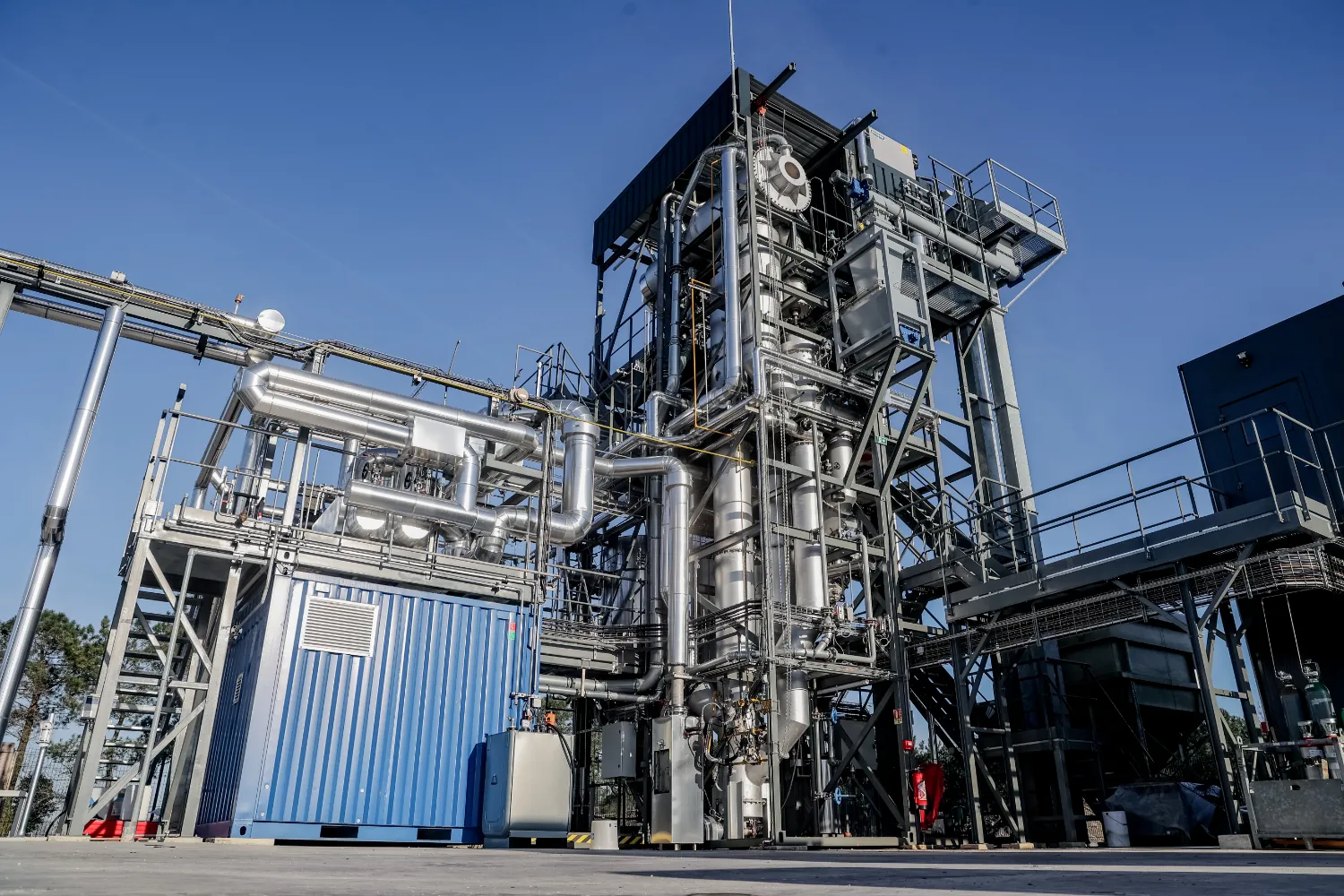
Pyrogasification transforms local resources that are difficult to valorize (biomass, solid recovered fuels, non-recyclable waste) into synthesis gas, and then, among other things, into biomethane injectable into the grid. It is a complementary path to methanization for waste energy recovery and territorial decarbonization.
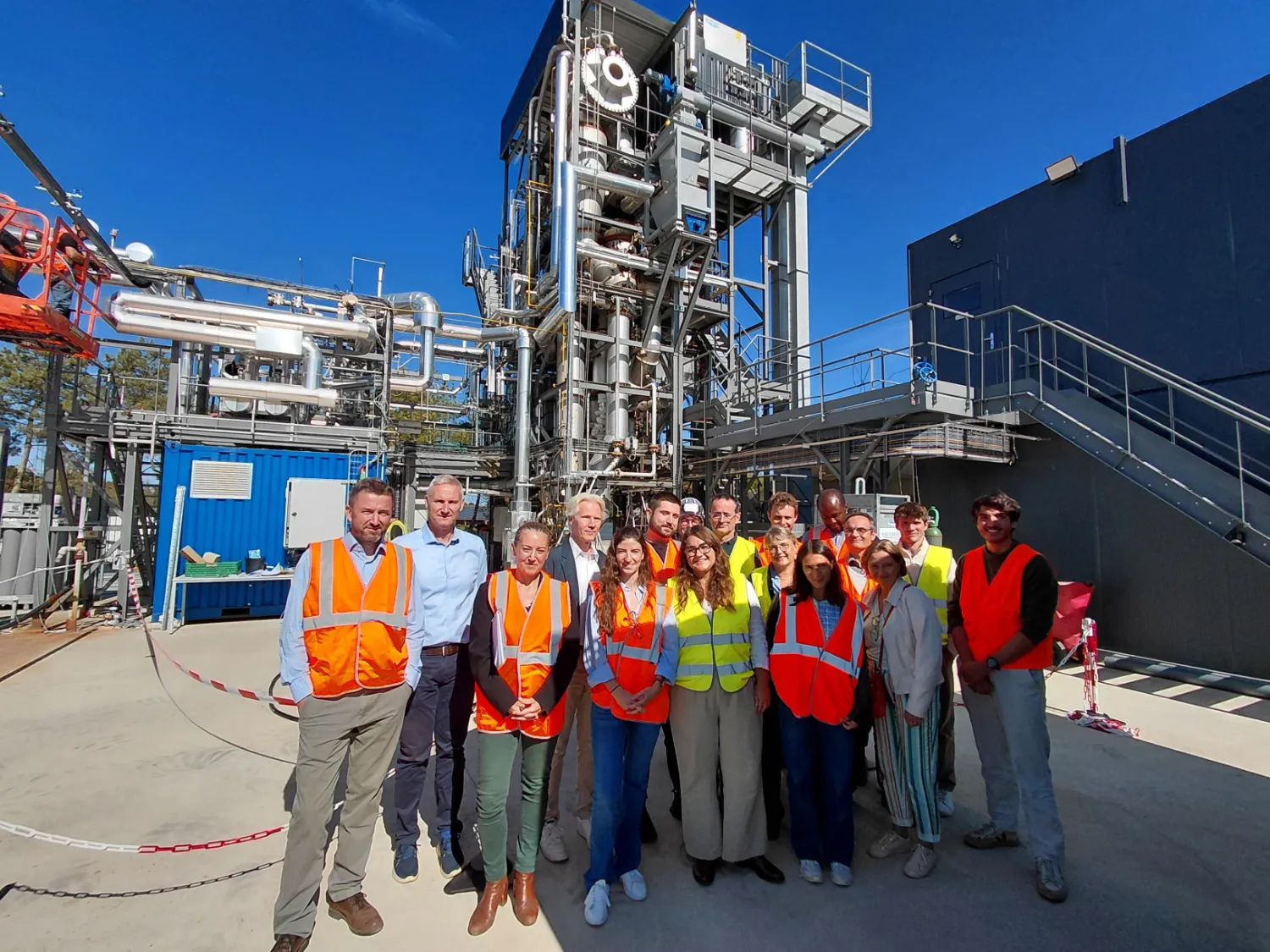
Our pilot site in Le Barp, operational since 2025, will produce injectable biomethane as part of a call for projects with GRDF. The inclusion of the sector in the CPB scheme provides a clear framework for the future: scaling up, integrating new inputs, and industrial structuring of the sector.
What's Next?
The decree opens eligibility and sets the obligation schedule. The implementation details, particularly the parameters for issuing certificates to new sectors, remain to be specified by implementing texts. NOVÉA will monitor these developments and share them with its partners.
________________
Also read:
Review of the France Gaz Congress: "The Other Path to Decarbonization"