3 questions for Jean-Paul Calès, President of NOVÉA
NOVÉA positions itself as an innovative player in pyrogasification for producing renewable gas from biomass. Can you explain how your technology stands out and what benefits it offers in terms of making the most of local resources and meeting the needs of local communities?
NOVÉA develops and deploys a multi-stage pyrogasification technology that converts agricultural byproducts, forestry residues, and waste into high-quality, sustainable gas. Our approach is characterized by three key elements.
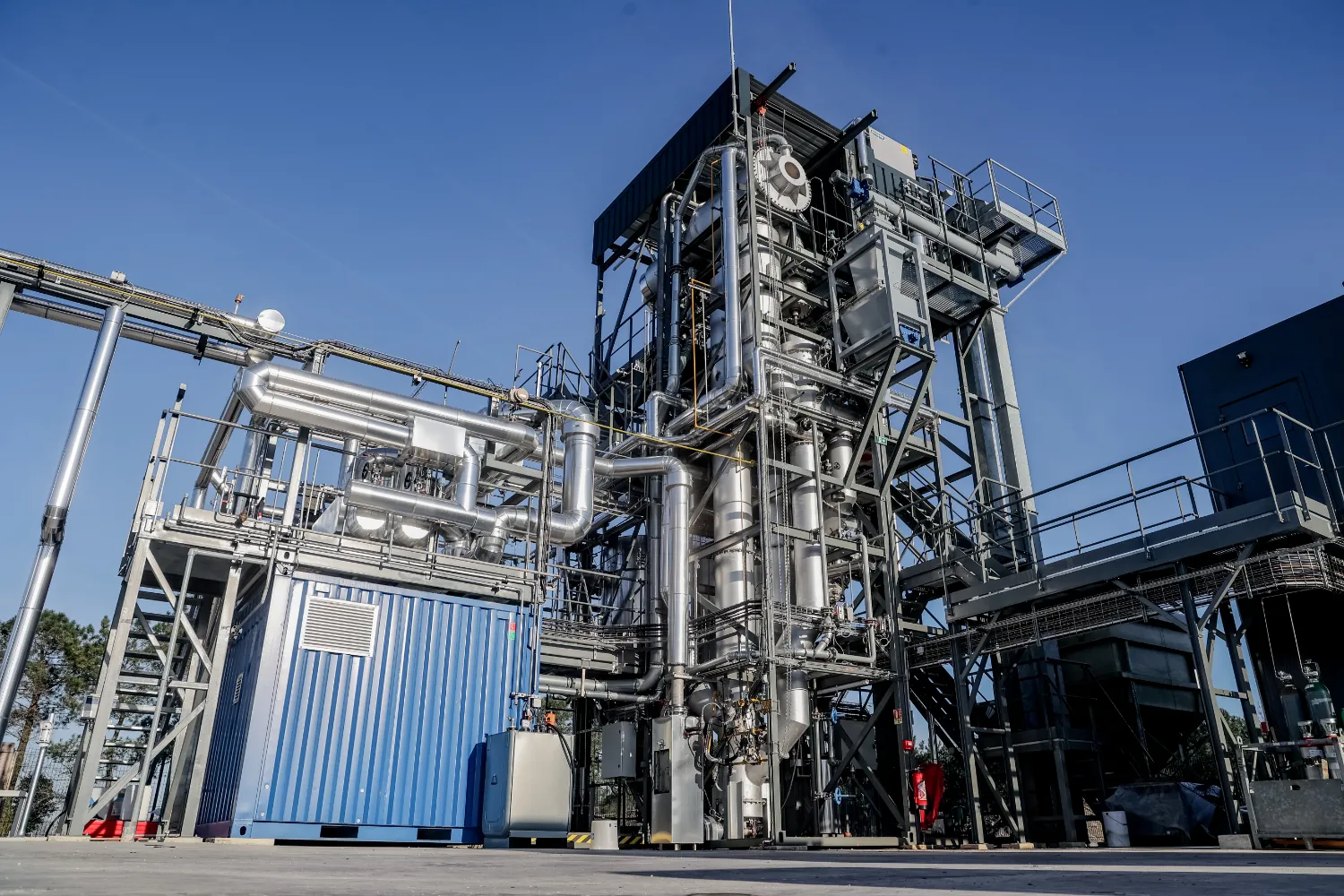
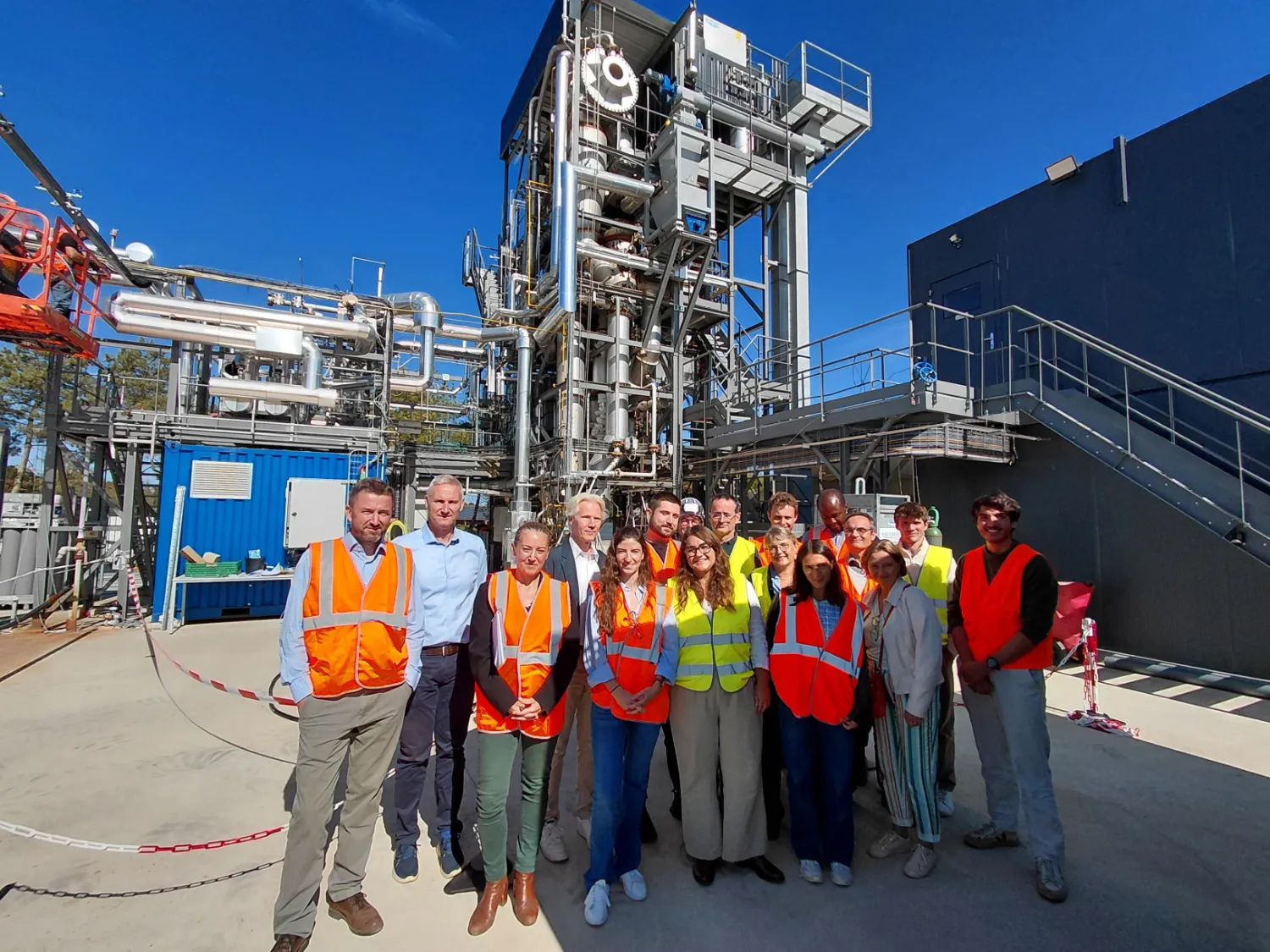
First, we now have a fully operational industrial pilot program, which is a major differentiator. This is not just a technological promise, but a process that has been tried, tested, and validated under real-world conditions. This demonstration phase is essential for providing our customers and partners with concrete assurances regarding the reliability, robustness, and performance of our facilities. The pilot project allowed us to fine-tune the operation of the fluidized bed in preparation for the transition to industrial scale: certain discrepancies between theoretical assumptions and actual operating conditions have been identified, analyzed, and corrected. This field test not only confirmed the soundness of the technological choices but, more importantly, made it possible to improve the overall design of the process and ensure the reliability of its key parameters. In that sense, we are not selling a concept, but rather a mature industrial solution designed for deployment. Furthermore, our technology is designed to adapt to the local resources available. Each region has its own biomass resources. Our process is flexible enough to make the most of this diversity without competing with food uses or soil conservation. This regional approach makes it possible to create short circular economy loops: resources are collected, processed, and consumed locally, thereby reducing logistics costs and indirect emissions.
Finally, we are providing a concrete solution to the challenges of energy sovereignty and decarbonization. Nowadays, local governments and industrial companies are seeking to secure their gas supply while reducing their carbon footprint. NOVÉA offers them a local, renewable, and reliable alternative to imported fossil fuels. This is a direct contribution to the energy resilience of regions and to the achievement of their climate goals.
You were recently honored with a “Borea Green Award – Renewable Energy Innovation 2025.” What does this award mean for your team and your growth?
This award is, first and foremost, a recognition of the work our teams have done. Developing reliable industrial technology requires years of effort, testing, and technical adjustments. Our engineers have overcome complex challenges to ensure the performance, safety, and automation of our process. This award recognizes their dedication and expertise.
Beyond its symbolic significance, this award provides us with valuable visibility among stakeholders in the gas industry and the energy transition. It positions us as a credible and innovative player in a sector that is rapidly taking shape. Although NOVÉA is a relatively new company, it is backed by a team whose members have solid, proven experience in the fields of gasification and pyrogasification—a key factor in ensuring reliability and industrial expertise. This makes it easier for us to engage with local governments, manufacturers, and investors who are looking for proven, unique solutions.
Finally, this award reinforces our ambition: to become the European leader in locally sourced sustainable gas. We firmly believe that the energy transition will rely on decentralized solutions that are rooted in local communities and make the most of available resources. The Borea Green Award encourages us to continue in this direction and to accelerate the rollout of our facilities.
What kinds of support would be most critical in enabling NOVÉA to accelerate and deploy its solutions on a large scale?
To scale up sustainable gas production in France, I believe three key factors are essential. The first is the stability and transparency of the regulatory framework. Project developers and investors need to know that the rules of the game are not subject to change and apply equally to all biogas produced, regardless of the production method. We are currently in discussions to adopt legislative changes that would allow all types of biogas to be subject to the same regulatory framework, provided that the composition of the biogas meets the required standards. Clear and stable regulations help ensure investment security and enable confident planning for industrial development.
The second lever is financial support for initial projects. The transition from the pilot site to full-scale production requires significant resources. Our status as an ADEME-awarded project gives us access to valuable resources for developing our projects, both financially and from a regulatory standpoint. We must also facilitate access to private financing by reducing the perception of technological risk, particularly by promoting projects that rely on proven solutions like ours.
Finally, the third key factor is the mobilization of local stakeholders. Local governments, chambers of agriculture, and waste management agencies have a key role to play in identifying biomass feedstocks, facilitating land use, and coordinating projects. We need strong local momentum, with elected officials and technical staff who are convinced of the value of these local solutions. It is by creating regional ecosystems centered on sustainable natural gas that we will be able to scale up the industry. NOVÉA is ready to play its part in this collective acceleration. We have the technology, the teams, and the ambition. With the right framework and partnerships, we can make a significant contribution to decarbonization and energy security in our country and, more broadly, in Europe.